History of pH
The idea of acidity is older than the word “pH”. For a long time, people relied on color-change indicators to estimate acidity. In 1909, the Danish chemist Søren P. L. Sørensen introduced pH as a practical way to express acidity at the Carlsberg Laboratory. In the 1930s, Arnold O. Beckman helped turn pH into a fast, reliable industrial measurement with electronic instrumentation.
Before “pH”: color indicators and practical acidity
Before pH became standard, acidity was often estimated with colorimetric methods (indicator dyes). A classic classroom example is litmus paper, made from a dye derived from lichens, used to show acidity/alkalinity by changing color. These tests were simple and cheap, but they lacked precision and could fail in real industrial samples.
Key idea
The world used “acid/base indicators” for a long time — pH arrived later as a better way to express acidity consistently.
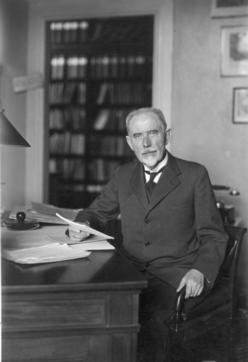
1909: Søren Sørensen introduces pH at the Carlsberg Laboratory
In 1909, while working at the Carlsberg Laboratory in Copenhagen, Sørensen introduced pH as a convenient way to express acidity (linked to the negative logarithm of hydrogen ion concentration). The context was a broader shift from purely color-change tests toward electrical measurement methods.
Why it mattered
A standardized scale made it easier to compare acidity across labs and applications.
What it solved
It provided a practical way to express very small hydrogen ion concentrations.
Connected to industry
Industry labs (like brewing research) often drove measurement innovation.
1930s: Beckman, citrus chemistry, and the electronic pH meter
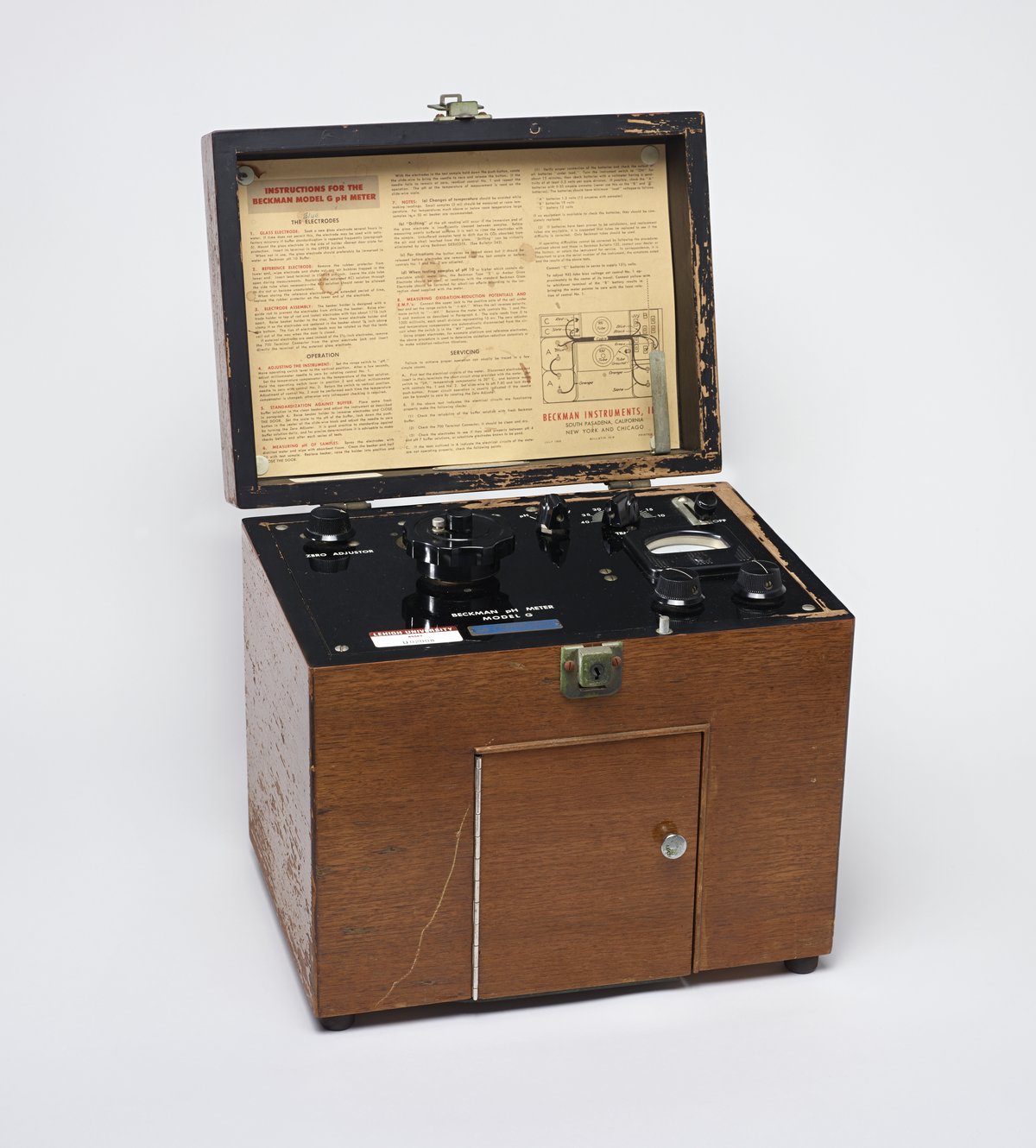
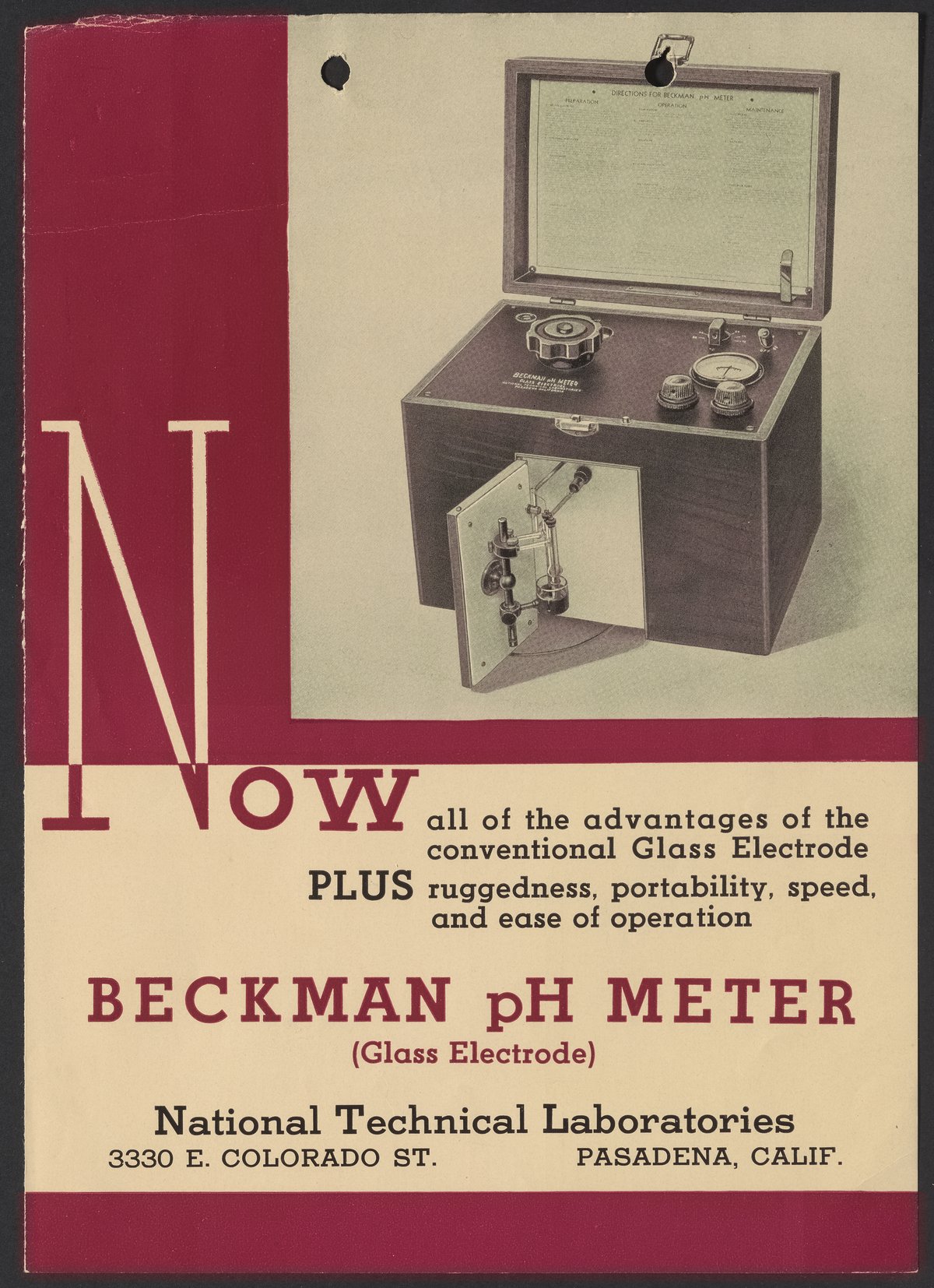
In the mid‑1930s, the California citrus industry needed faster, more reliable acidity measurement. Arnold O. Beckman was asked to help develop an instrument suitable for these measurements, and his work helped make electronic pH measurement practical and widespread. Historical accounts describe how early methods (like litmus) were often unsuitable in industrial samples, which pushed adoption of electrochemical methods.
Milestone
The “acidimeter” evolved into commercially successful pH meters, accelerating modern chemical instrumentation.
Today, pH measurement is foundational across chemistry, biology, manufacturing, water treatment, food, and many laboratory workflows.
The modern era: better sensors, better consistency
Over time, pH instrumentation improved: smaller form factors, improved electrodes, better stability, and digital diagnostics. In industrial process analytics, modern sensors are designed to handle harsh media and wide measurement ranges.
Why the story still matters
Even today, the biggest errors often come from sampling, temperature, calibration habits, and inconsistent method — not the scale itself.
Where to go next
If you want to measure pH reliably, read the measurement guide and the drift guide: How to Measure pH, Temperature & CO₂.
References & image sources
- Søren Sørensen biography (Science History Institute): sciencehistory.org
- Carlsberg Group: invention of the pH scale (1909): carlsberggroup.com
- ACS National Historic Chemical Landmark (Beckman pH meter overview + booklet PDF): acs.org • PDF
- Beckman Foundation: pH meter history page: beckman-foundation.org
- Image (CC BY 4.0): Beckman Model G Glass Electrode pH Meter (Science History Institute Digital Collections): digital.sciencehistory.org/works/cn69m4242
- Image (Public Domain): Søren Sørensen portrait (Wikimedia Commons): commons.wikimedia.org
- Image (Public Domain Mark 1.0): Beckman pH Meter brochure (Science History Institute Digital Collections): digital.sciencehistory.org/works/44558f07m
Last updated: 2026-05-10 • Maintained by the pH Master Pro Editorial Team
Editorial note
This article is maintained by the pH Master Pro Editorial Team. For how ranges are selected and why values vary, see Methodology & Sources. If you spot an issue or want to suggest a reputable source, please contact us.